TIKTOK — Creativity, CREATORS, & Commerce
At TikTok, I led brand partnerships across a $65M+ portfolio for brands including McDonald’s, Wingstop, CKE Restaurants, Jack in the Box and Grubhub.
The job was bigger than selling media.
It was helping marketers and their agencies use creators, platform products, performance tools and culture to solve actual business problems.
Grubhub — Creator Content That Converted
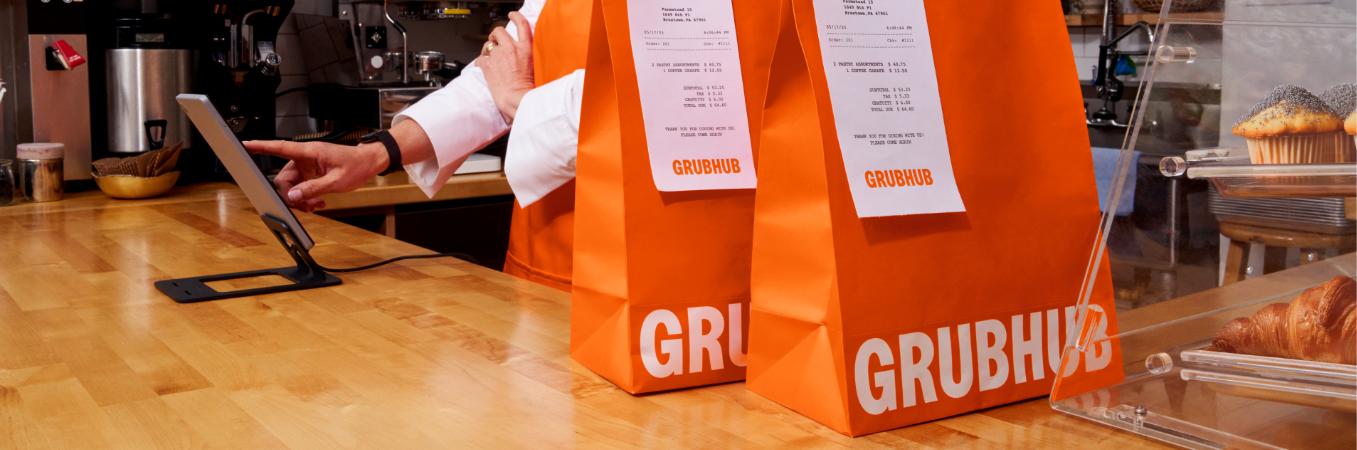
Grubhub needed more creator content, faster, without sacrificing performance.
We paired TikTok Creative Exchange with Smart+ AI to scale creator-led creative and automate campaign optimization. The program produced 40+ creative assets, reduced Cost Per New Diner 46%, and delivered an 8.36% relative lift in New Diners.
Carl’s Jr. × Alix Earle — Turning a Creator Into a Brand Platform
Carl’s Jr. needed to reconnect with a younger audience without losing the attitude that made the brand famous.
Alix Earle was a natural fit.
The partnership started around the Super Bowl with the Alix Earle Hangover Burger, connecting her “hot mess” persona, late-night food culture and massive social following with a product and loyalty offer built for the morning after.
The campaign became one of Carl’s Jr.’s strongest social moments around the Super Bowl generating a 47% engagement rate and a 91% increase in followers.
But the real signal was what came next.
Carl’s Jr. extended the relationship into Club Carl’s and then the Queso Crunch Burger, pairing Alix with Paris Hilton to connect a new generation of creators with one of the brand’s most recognizable cultural moments.
The best partnerships don’t stop at a post. They become platforms.
McDonald’s — Turning Fandom Into Demand
McDonald’s was the largest strategic relationship in my TikTok portfolio.
The best work started with something people already cared about, then used creators, social behavior and platform-specific storytelling to make the brand part of the conversation.
A Minecraft Movie — Two Global Fandoms Collide
Minecraft was bigger than a movie tie-in.
McDonald’s connected two enormous fan communities across food, gaming, collectibles, loyalty and digital experiences. The campaign launched across 100+ markets and became McDonald’s largest global campaign to date.
The physical meal connected directly to the game through collectible characters, redeemable skins and a McDonald’s add-on pack inside Minecraft.
The scale was real. McDonald’s later reported that Minecraft content generated 20,000+ new videos, with comp sales lifts ranging from 1.5% to 11.9% across major markets.
Snack Wrap — The Internet Asked. McDonald’s Listened.
The Snack Wrap had been gone for nearly a decade.
But on social, it never really left.
Fans kept asking for it, posting about it and building their own mythology around the product. McDonald’s turned that existing conversation into the campaign itself. The return was announced with almost nothing more than:
“It’s back. 7.10.25.”
The campaign then leaned heavily into social and creator storytelling, including TikTok. McDonald’s built Snack Wrap Files, an archive of fan requests, memes, behind-the-scenes material and social content around the return.
Creator work helped push the idea further. A 45-second TikTok and Instagram film with Fred Liu framed the return as a reunion with something fans had been missing, while other creative featured TikTok creator Jon Moon alongside Ginger Root.
One creator-led Snack Wrap activation delivered 11.6M views, 11.3M impressions and a 0.78% TikTok CTR, 4.7x above average, while lift studies showed increases in store visits and contribution to chicken sales.