The Coca-Cola Company — Culture, Gaming, social, and the Early Internet
Before “digital marketing” was a category, I was already experimenting with it.
My work at Coca-Cola lived at the intersection of music, gaming, television, and emerging social platforms—long before brands understood how those worlds would collide.
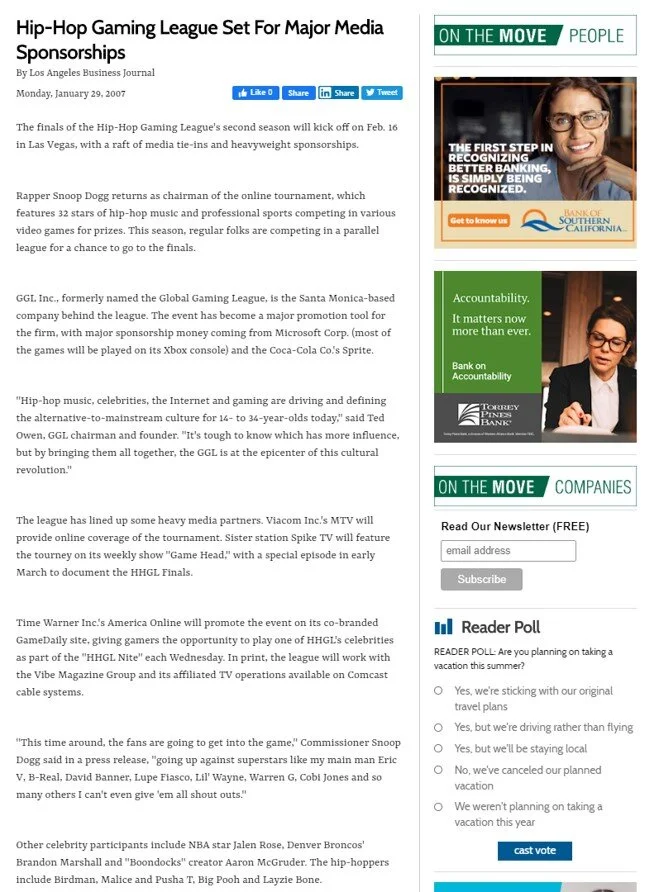
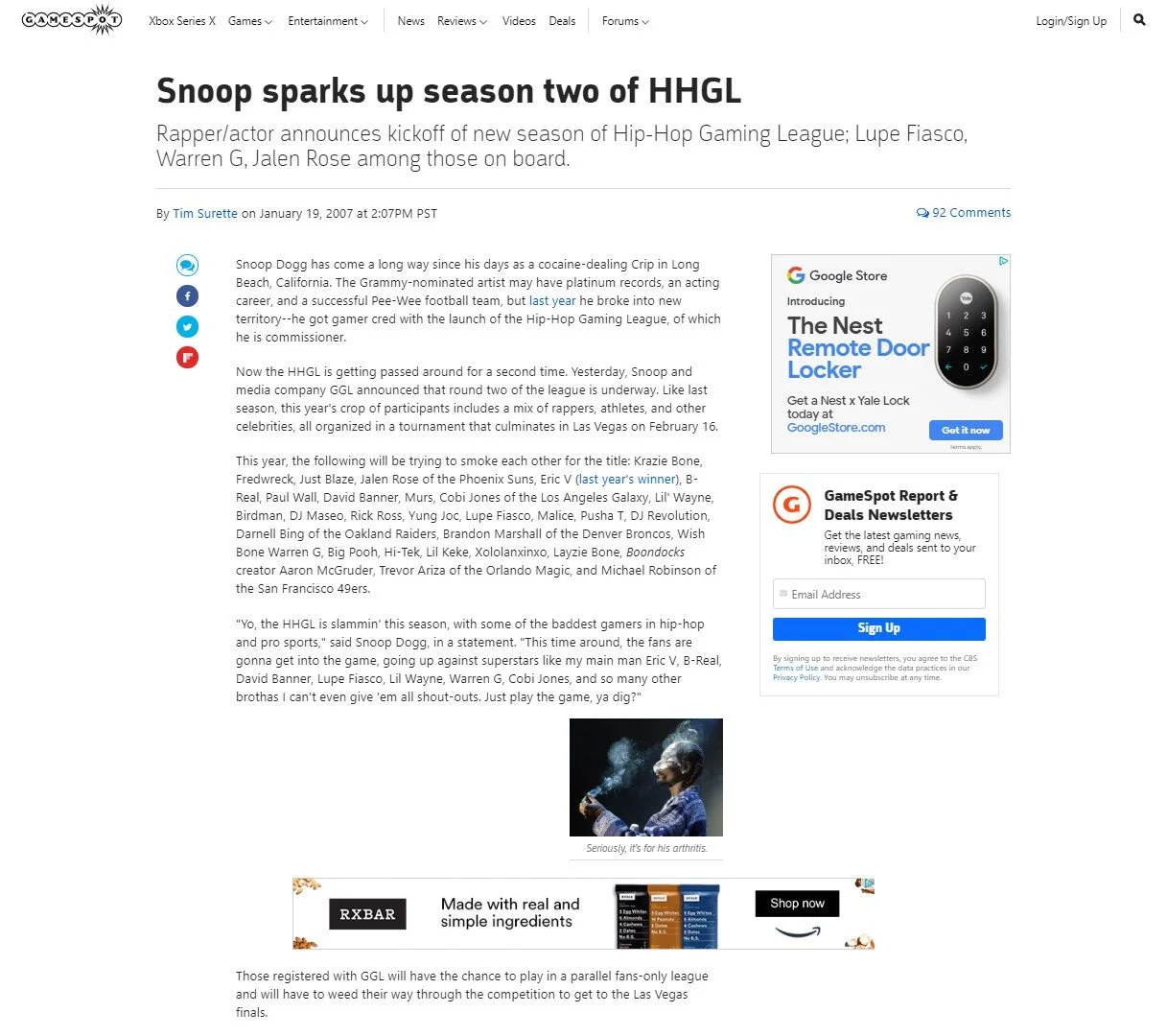
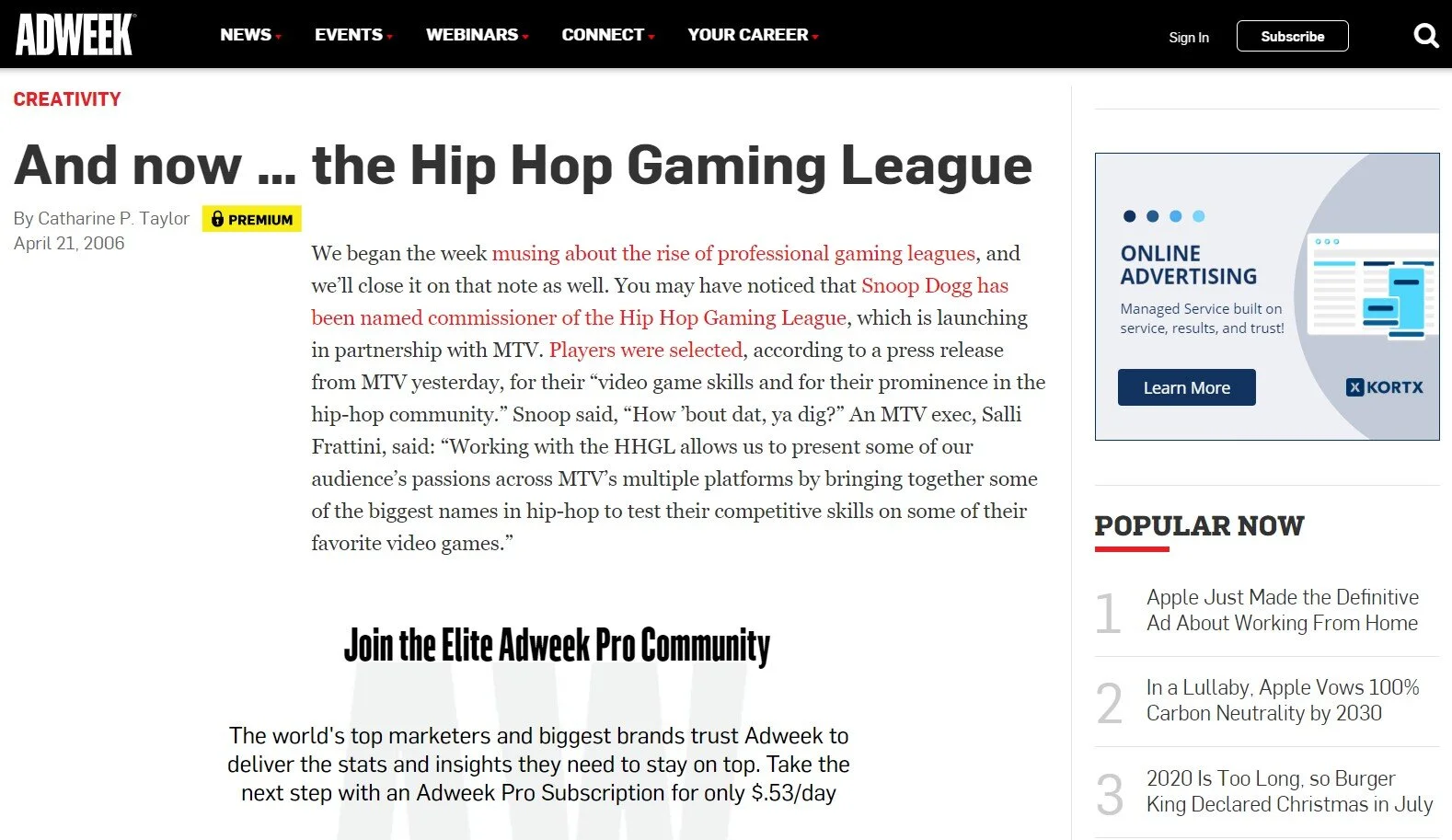
Hip Hop Gaming League — MTV × Snoop Dogg
Gaming and hip-hop were colliding culturally in the mid-2000s.
I helped bring them together.
Working with MTV and Snoop Dogg, I helped create the Hip Hop Gaming League, a series of tournaments and entertainment events that brought artists, gamers, and fans into the same arena.
At a time when esports barely existed in the mainstream, the idea was simple:
Treat gaming like entertainment.
Artists played.
Fans watched.
And the line between music culture and gaming culture started to blur.
The Lost Experience — ABC × Sprite
Then came The Lost Experience.
An ambitious alternate reality game built around ABC’s global hit Lost, which was drawing 15–16 million viewers per episode in the U.S. alone.
I helped integrate Sprite into the campaign’s sprawling digital narrative—spreading clues across websites, videos, and interactive content that extended the show far beyond television.
Fans hunting for answers were directed to Sublymonal.com, where the brand became part of the story itself.
For many viewers, it was the first time television, advertising, and the internet merged into a single experience.
Gaming — Massive and In-Game Advertising
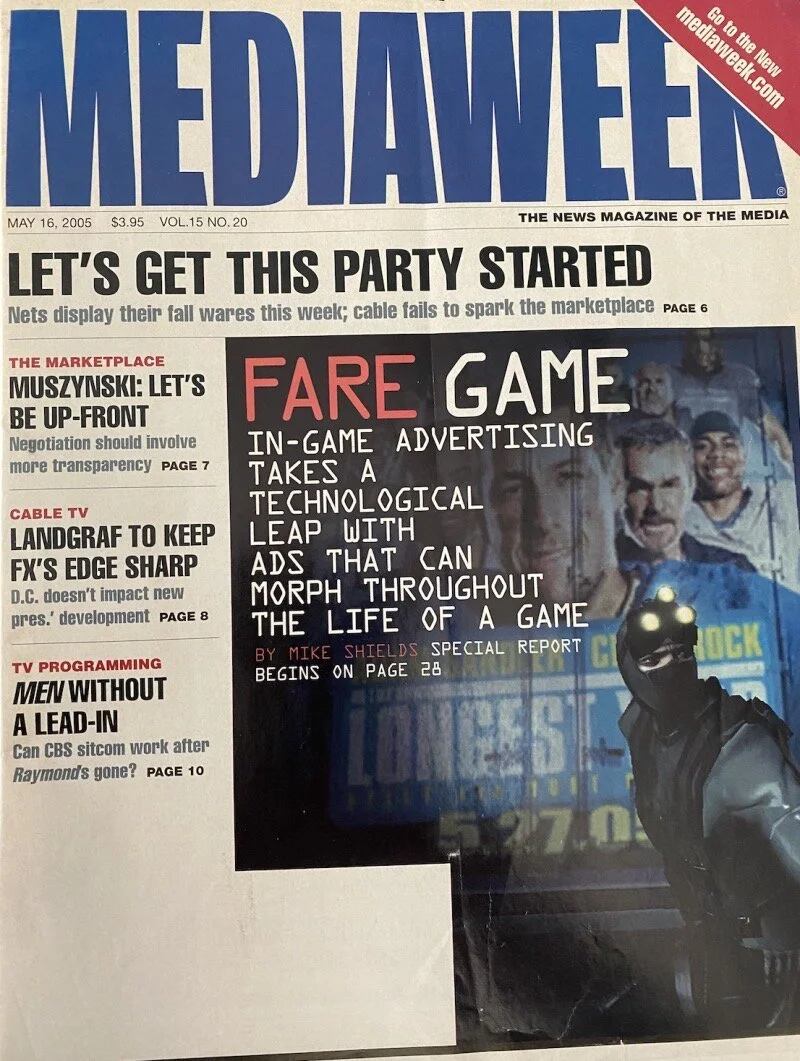
At the same time, I pushed Coca-Cola further into gaming.
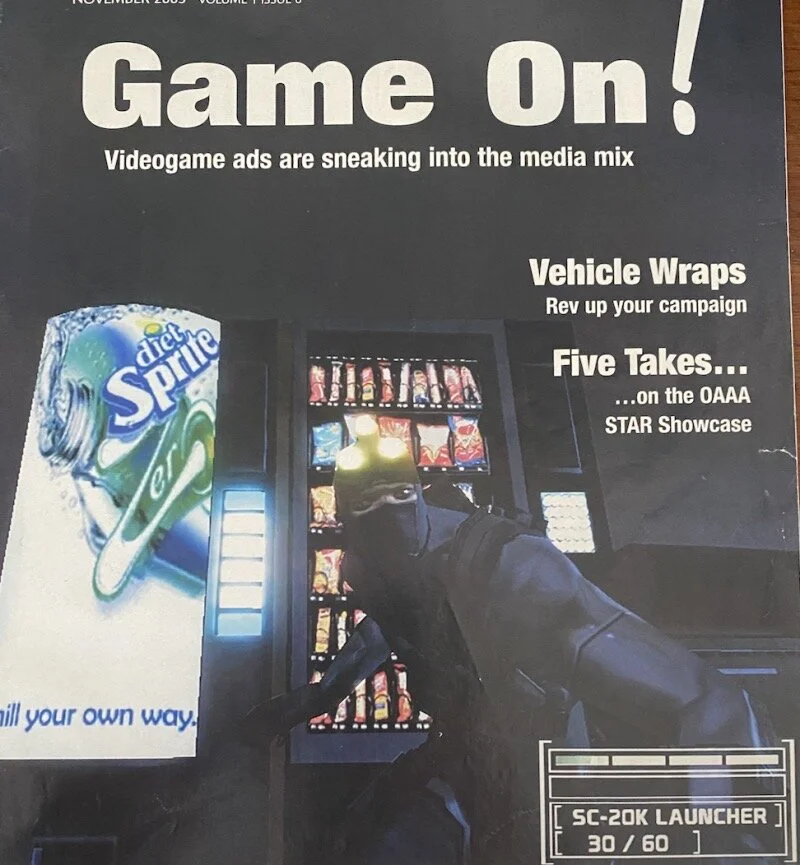
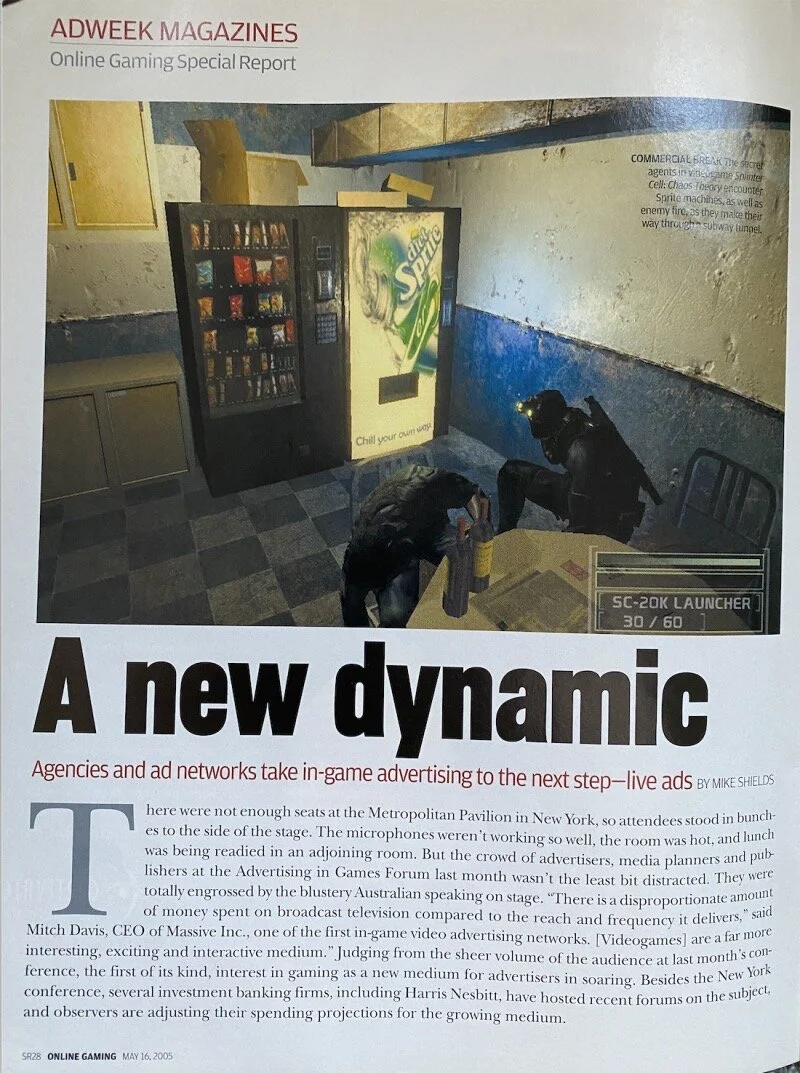
Working with Massive, the in-game advertising network later acquired by Microsoft, I helped introduce one of the earliest forms of dynamic advertising inside video games—placing branded creative directly into the environments players were already spending hours inside.
Today that idea feels obvious.
At the time, it was brand new.
Sprite Sips — Early Facebook Marketing
I also helped bring Sprite onto one of the internet’s newest platforms at the time: Facebook.
Sprite Sips allowed fans to send branded digital “sips” to their friends—one of the earliest brand activations built directly inside the social network.
The idea was simple.
Let fans share the brand with each other.
Not because they were told to.
Because it was fun.
MSN — The Sprite Refreshing Wall
Another experiment lived on MSN.
I helped create the Sprite Refreshing Wall, a constantly evolving digital canvas that combined music, culture, and interactive media.
At a time when the internet was still mostly static pages, the project treated the platform like a living experience—something fans could return to again and again.
What it all pointed to
Looking back, those projects hinted at something bigger.
Gaming would become culture.
Social platforms would reshape marketing.
And the internet would become the primary stage for storytelling.
At Coca-Cola, I had the chance to explore those ideas early—and build some of the first programs that treated the web like a platform for experiences, not just advertising.